
Legends vs Reality: Myths That Shaped History

History is a strange mix of fact and imagination. Some stories are passed down with such power that we accept them as truth, even when the reality might be very different. Legends have a way of lingering, shaping culture, inspiring generations, and sometimes even defining identity.
Take Alexander the Great, for example. We’ve all heard tales of him never losing a battle, conquering lands with sheer brilliance, and inspiring loyalty like no other. But the truth is more nuanced. Alexander was undoubtedly a skilled strategist, yet his victories depended on his army, clever planning, and timing. The myth of his invincibility grew over centuries, turning a remarkable general into something larger than life.
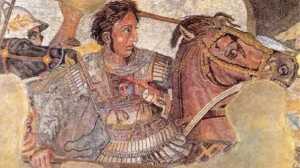 Then there’s the Trojan Horse, a story we all think we know. Most imagine Greeks hiding inside a massive wooden horse to trick Troy. Yet historians today suggest it may have been symbolic, perhaps a clever siege tactic or metaphor. Still, the image of a giant horse carrying warriors has captivated imaginations for thousands of years,
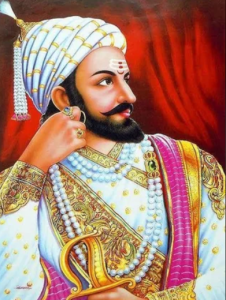
Even in India, myths have shaped how we see history. Chhatrapati Shivaji Maharaj is celebrated as a fearless warrior who never backed down. While his courage is undisputed, many stories about him have been romanticized over time. These legends echo not only his heroism but the ideals that people —bravery, cleverness, and unwavering determination.
Why do these myths endure? Because humans need stories that inspire, teach, and connect us to something bigger than ourselves. Legends carry emotions, morals, and lessons that mere facts cannot. They help us dream, aspire, and imagine worlds beyond our own reality. Yet, exploring the truth behind these myths adds another layer of fascination. It reminds us that history is not just a list of events—it’s shaped by people, perspectives, and imagination
So next time you hear a legendary tale, ask yourself: What really happened? What is truth, and what is the echo of imagination across time? In that space between reality and myth lies the magic of history. It is messy, imperfect, and utterly human—but also endlessly captivating.
Conclusion:
Legends and myths will always be a part of history because they capture more than facts—they capture imagination, values, and the essence of humanity. While reality grounds us in truth, myths remind us to dream, to question, and to connect with the stories that shaped the world. By exploring both, we don’t just learn history—we experience it.